Management of Fisheries
Management of Fisheries
NASCO’s goal is to promote the diversity and abundance of salmon stocks and maintain all stocks above their conservation limits. The key issues are to:
- maintain an effective prohibition on fishing for salmon beyond areas of fisheries jurisdiction;
- further improve the ‘fairness’ and balance in management of distant-water fisheries;
- explore possibilities for longer-term regulatory measures;
- exchange information and transfer expertise and knowledge between Parties and between NGOs and the authorities; and
- further develop the knowledge basis for fisheries regulations.
NASCO Regulatory Measures
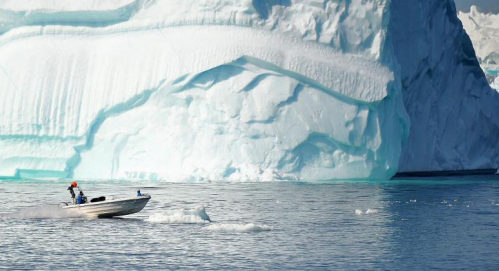
The NASCO Convention states that one of the functions of the West Greenland Commission and the North East Atlantic Commission is ‘to propose regulatory measures for fishing in the area of fisheries jurisdiction of a member of salmon originating in the rivers of other Parties’. This has meant that regulatory measures agreed by NASCO have greatly reduced the catch of salmon in the distant-water fisheries at West Greenland and around the Faroe Islands. There has been no commercial harvest by the Faroe Islands since the early 1990s and the Greenland fishery is currently an internal-use fishery.
Fishing for Salmon in International Waters by non-NASCO Parties
NASCO has also taken measures to eliminate fishing for salmon in international waters by non-NASCO Parties. There have been no sightings of vessels fishing for salmon in international waters since the early 1990s.
- Resolution on Fishing for Salmon on the High Seas (CNL(92)54);
Sustainable Harvest
Today, Atlantic salmon fisheries are managed to promote and protect diversity and abundance of salmon stocks. Fishing on stocks below their conservation limit should not be permitted. If socioeconomic factors override conservation, management actions should limit fishing to ensure stock recovery within a stated timeframe. NASCO and its Parties remain committed to rational management of stocks to support the conservation of the species alongside addressing the many other pressures they face.
Regulatory measures agreed by NASCO have greatly reduced the interception of salmon in the distant-water fisheries at West Greenland and around the Faroe Islands. These fisheries now only account for a small proportion of the total catch.
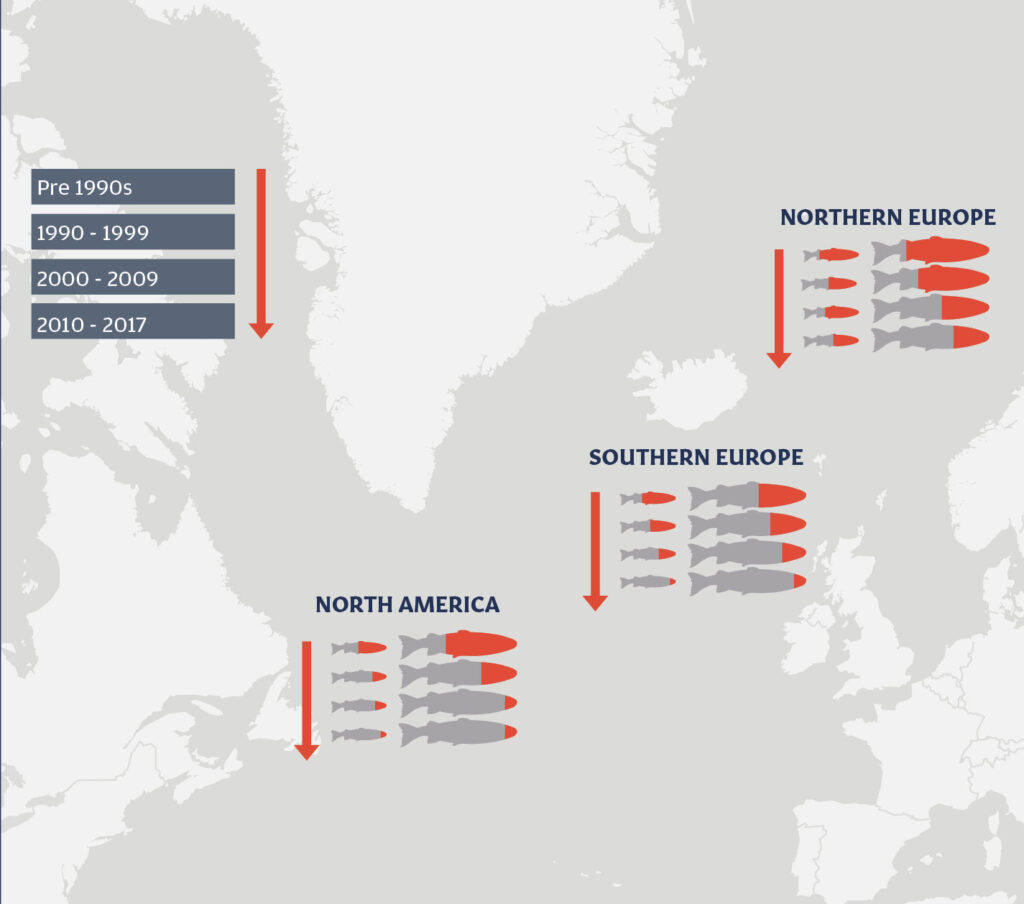
The Convention requires that conservation and management measures taken by States of Origin be taken into account in establishing regulatory measures. Major reductions in fishing effort and quotas have occurred all around the North Atlantic. Management measures in response to declining abundance have resulted in major reductions in catches.
These declines in exploitation are illustrated below, where the exploitation rates for multi-sea-winter salmon (salmon that have spent multiple winters at sea before they return to their rivers of origin to spawn) and one-sea-winter salmon (salmon that have spent only one winter at sea before they return to their rivers of origin to spawn) are shown over four decades for salmon from North America and continental Europe.
Ecosystem Effects of Salmon Fisheries
ICES considers that salmon fisheries probably have ‘no or only minor influence on the marine ecosystem’. There are concerns about the possible bycatch of Atlantic salmon in fisheries for other pelagic fish species (see the ICES bycatch reports listed below).
Tag Return Incentive Scheme – Discontinued
NASCO operated a Tag Return Incentive Scheme from 1993 until 2024 following a four-year trial. Individually identifiable, external tags (all tags from West Greenland) that were returned to the appropriate authorities in the country of capture were eligible for inclusion in the draw. Each year a Grand Prize of £1,500 was awarded together with three prizes of £1,000, one in each of NASCO’s three Commission areas. These were the rules of the scheme. A paper prepared for the 2024 Annual Meeting of NASCO’s Finance and Administration Committee, ‘Status and Extent of External Tagging in NASCO Parties’, FAC(24)06, showed that the number of tags being deployed decreased from over 500,000 in 2003 to less than 80,000 in 2023. Additionally, fewer tags have been returned in recent years, some tagging is no longer allowed in some countries and it had been difficult to pay the prize money in the last few years of the scheme. The Council of NASCO subsequently agreed to discontinue the scheme following the final draw at its 2024 Annual Meeting.
Catch and Release Fishing
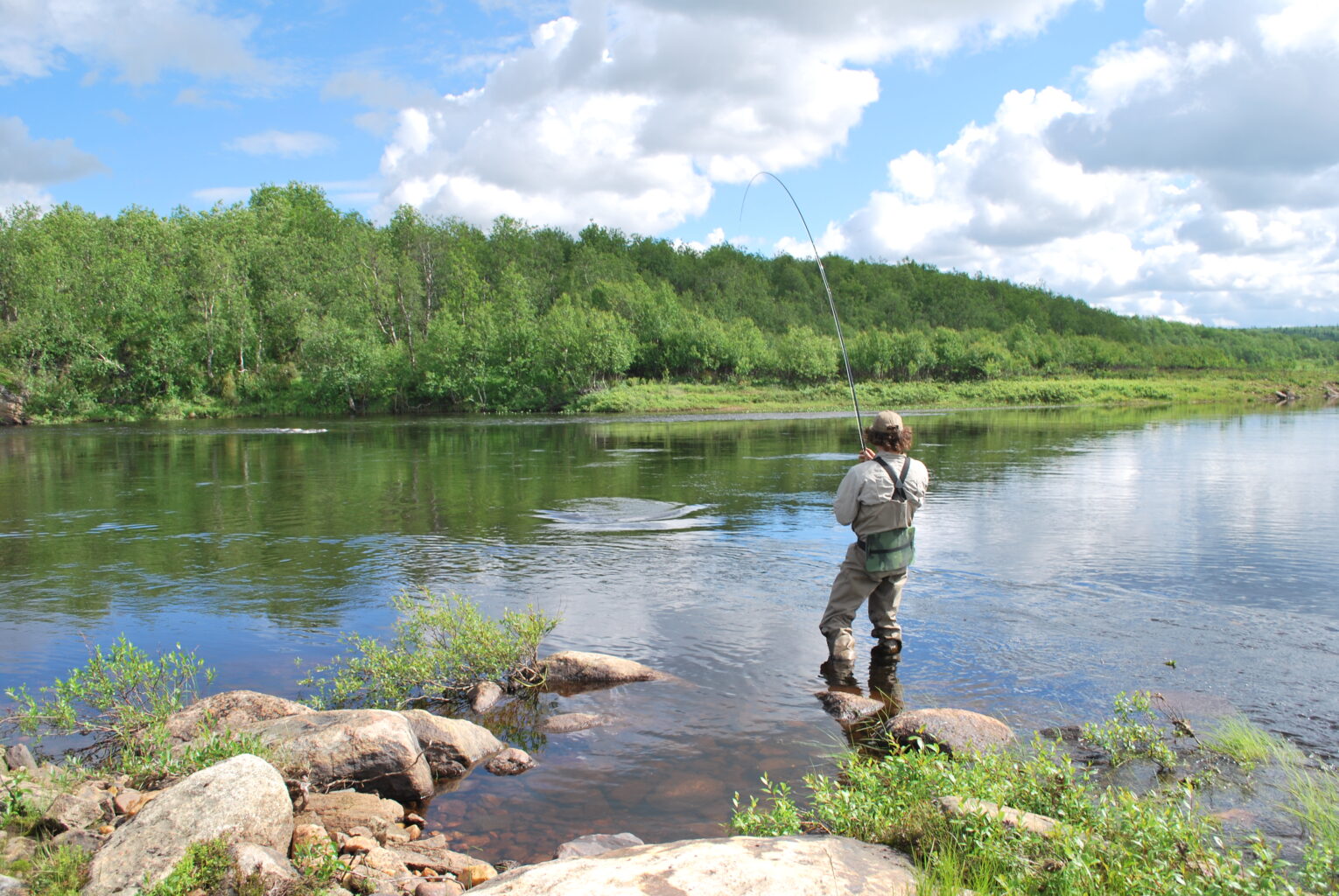
There is increasing use of catch and release in recreational fisheries and NASCO has developed guidelines detailing best practice (below). Statistics on catch and release can be found on the Statistics page.
Resolutions, Agreements and Guidelines
- Directives OCSAN – Gestion des pêcheries de saumons (CNL(09)43);
- Guidelines for the Management of Salmon Fisheries (CNL(09)43);
- Guidelines for the Management of Salmon Fisheries (Russian Translation);
- Decision Structure For Management of North Atlantic Salmon Fisheries (CNL31.332 / 2002);
- Minimum Standard for Catch Statistics (CNL(93)51);
In 2024 NASCO agreed a Ten-Year Strategy and Action Plan which in turn is the basis for its fourth reporting cycle, starting in 2026, in which Performance Indicators and Conservation Commitment Reports will be used to measure progress towards the achievement of NASCO’s Resolutions, Agreements and Guidelines. Previously, progress in implementing these resolutions, agreements and guidelines has been assessed through the review of Implementation Plans and Annual Progress Reports.
Publications
- NASCO. 2014. Report of the 2014 Theme-based Special Session: Management of single and mixed stock fisheries, with particular focus on fisheries on stocks below their conservation limit (CNL(14)72)
- NASCO. 2012 Atlantic Salmon at Sea: findings from recent research and their implications for management – Report of the 2011 NASCO ICES Salmon Summit (CNL(12)60)
- NASCO. 2007. Report of the 2007 Special Session on Unreported Catches (CNL(07)71)
- ICES. 2005. Report of the Study Group on the Bycatch of Salmon in Pelagic Trawl Fisheries (SGBYSAL) (ICES CM 2005/ACFM:13)
- ICES. 2004. Report of the Study Group on the Bycatch of Salmon in Pelagic Trawl Fisheries (SGBYSAL) (ICES CM 2004/1:01)